

Monsoon Safety Guide for Lonavala Travellers
- March 2, 2026
- Lonavala
Lonavala, during the monsoon season, is one of the most beautiful experiences in Maharashtra. The hills turn green, waterfalls appear across rocky cliffs, and clouds move slowly through valleys. The rain transforms the entire region into a living landscape. This beauty, however, comes with responsibility. Travel during the rainy months requires awareness, patience and preparation. Understanding Lonavala monsoon safety is essential for anyone planning a trip during this season. Lonavala lies in the Western Ghats, a mountain range known for heavy rainfall during the southwest monsoon. From June to September, the area receives heavy rain that feeds rivers, forests and lakes. These natural systems are ancient and powerful. While they create stunning views, they also increase risks such as slippery roads, low visibility and sudden water flow. This guide is designed to help travellers enjoy the monsoon while staying safe, informed and calm. Monsoon travel does not mean fear. It means respecting nature and engaging in thoughtful planning. When you follow travel safety guidelines for Lonavala during the monsoon, your journey becomes peaceful rather than stressful. This guide covers road safety, walking safety, weather awareness, accommodation choices and daily habits that help you stay protected.
Understanding the monsoon climate of Lonavala
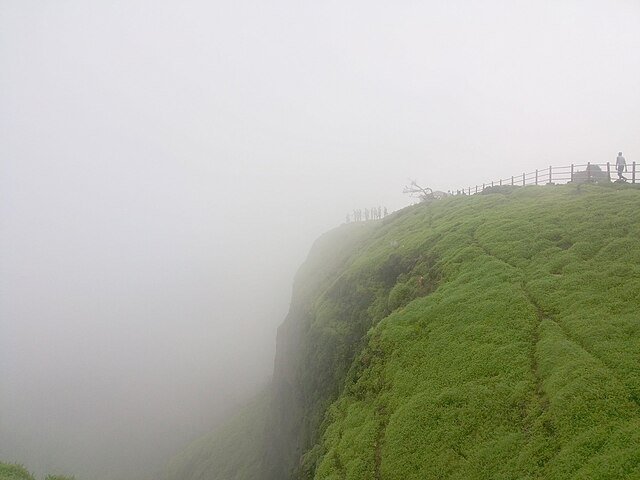
The monsoon arrives in Lonavala usually in early June. Rainfall increases quickly and remains consistent for several weeks. Cloud cover is thick, and humidity rises. Daytime temperatures drop slightly, making the climate pleasant but unpredictable. Sudden showers are common and can last from minutes to hours. The hills surrounding Lonavala are made of basalt rock. This rock becomes extremely slippery when wet. Trails, roads and steps that feel safe in dry weather can become dangerous in rain. Understanding this natural feature is key to the Lonavala rain travel tips. Water flows rapidly during heavy rainfall. Streams that appear small can swell quickly. Low-lying roads may flood without warning. Fog also becomes common, especially during early morning and late evening. Visibility can change within seconds.
Planning before you travel
Safe monsoon travel begins before you leave home. Check weather forecasts regularly in the days leading up to your trip. Avoid travelling during alerts or warnings issued by local authorities. Flexibility is important during the monsoon season. Pack correctly. Waterproof footwear with good grip is essential. Carry rain protection such as ponchos or jackets. Avoid carrying heavy bags that affect balance. Keep electronics sealed and documents protected from moisture. Choose accommodation located away from steep slopes and flood-prone zones. A calm, secure stay allows you to rest without worry. Staymist offers a peaceful stay option that supports safety and comfort during the rainy season.
Driving in Lonavala monsoon safety
Road travel requires special attention during monsoon months. Driving in Lonavala monsoon safety depends on patience, awareness and discipline. Roads may look smooth, but water reduces tyre grip significantly. Speed should always be lower than usual.
Avoid night driving whenever possible. Fog and poor lighting reduce visibility. Animals may cross roads unexpectedly. Landslides, though rare, can occur in certain areas after heavy rain. Use headlights during rain and fog. Avoid sudden braking. Maintain distance from other vehicles. Do not drive through flowing water, even if it looks shallow. Water depth is difficult to judge, and road surfaces may be damaged underneath. If you feel tired, stop at a safe location. Fatigue increases risk during challenging weather. Safe driving is not about reaching fast but about reaching safely.
Walking and trekking safety
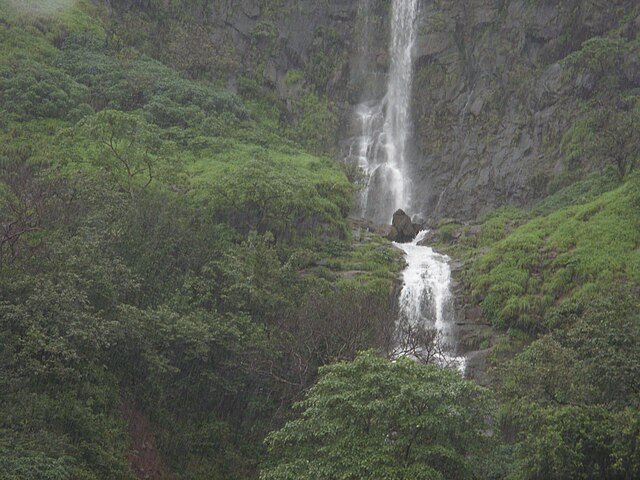
Many travellers enjoy walking trails, viewpoints and short treks during the monsoon. While these activities are rewarding, they require caution. Wet rock, moss-covered steps and loose soil increase fall risk. Wear footwear designed for wet surfaces. Avoid smooth soles. Walk slowly and deliberately. Use handrails where available. Avoid standing close to cliff edges, especially during fog. Do not attempt river crossings or waterfall climbing. Water pressure can be strong and unpredictable. Stay on marked paths. If a trail looks damaged or flooded, turn back. Solo trekking is not recommended during heavy rain. If you walk alone, inform someone about your route and expected return time. Waterfall and viewpoint safety. Waterfalls are a major attraction during the monsoon. They appear powerful and dramatic. However, they are also among the most dangerous areas during rain. Never go near the edge of waterfalls. Rocks are slippery, and water flow can increase suddenly. Avoid swimming or standing in plunge pools. Sudden water release upstream can cause a rapid rise in water levels. Viewpoints may have low visibility due to fog. Stay within safe zones. Do not lean on railings that appear damaged or unstable. Photography should never compromise safety. A photo is never worth a fall.
Health and hygiene during the monsoon
Monsoon weather can affect health if precautions are ignored. Carry basic medical supplies, including antiseptics and bandages. Moist conditions can lead to infections if cuts are not treated properly. Drink clean bottled water. Avoid consuming untreated water. Eat freshly prepared food. Avoid food that has been exposed to rain or insects. Keep clothes dry whenever possible. Change wet clothing promptly to avoid colds or skin issues. Use mosquito repellent, especially during evening hours. Rest is important. The monsoon climate can be physically draining. Listen to your body.
Understanding landslide and flood awareness
Landslides occur when saturated soil loses stability. Certain hill slopes are more vulnerable, especially after prolonged rainfall. Avoid parking or stopping near steep cut slopes. Flooding usually affects low-lying roads and bridges. Never attempt to cross flooded sections. Wait for water levels to recede. Local authorities may close roads or trails during severe weather. Respect closures. They exist for safety.
Daily habits for monsoon safety
Start your day early. Rain tends to increase later in the day. Plan outdoor activities in the morning. Carry a fully charged phone and power bank. Network coverage may weaken during storms. Inform accommodation staff about your plans. They often have valuable local knowledge. Stay flexible. If weather conditions change, adjust plans without frustration.
Mental approach to safe monsoon travel
A calm mindset is essential. Rushing increases risk. Accept that monsoon travel is slower. This acceptance improves safety and enjoyment. Observe nature rather than challenge it. The rain is part of the experience. Let it guide your pace. Travel safety, Lonavala monsoon principles are rooted in respect. When you respect the environment, it rewards you with beauty and peace.
Why safety enhances the experience
Many accidents occur due to overconfidence or poor preparation. When safety is prioritised, stress reduces. You become more aware of your surroundings. You notice details such as the sound of rain movement of clouds, and the scent of wet earth.Safe travel allows a deeper connection with the place. You enjoy the monsoon as it is meant to be experienced slowly, quietly and thoughtfully.
Final thoughts on monsoon travel in Lonavala
Lonavala during monsoon is magical, but it demands responsibility. Understanding Lonavala monsoon safety is not about fear but about wisdom. With preparation, awareness and patience, you can enjoy every moment. Follow Lonavala rain travel tips consistently. Practice driving in Lonavala monsoon safety habits. Respect natural forces and local guidance. When you choose safety, you protect not only yourself but also the fragile mountain environment. Your journey becomes memorable for the right reasons. Monsoon travel done right creates lasting memories. Let the rain guide you gently and let safety lead the way.

Author: Staymist

Discover carefully chosen beautiful escapes designed for comfort, peace and a personal touch.
© Copyright 2026 Staymist. All rights reserved