

- September 12, 2026
- Karjat
Karjat sits in the foothills of the Western Ghats, offering a straightforward escape from the busy city landscapes of Mumbai and Pune. Deciding on the best time to visit Karjat for nature lovers depends on what you want to experience outdoors. Some travellers look forward to flowing streams, lush green valleys and monsoon landscapes. Others prefer dry trails, comfortable mornings and clearer skies for long hikes. Understanding how Karjat changes across the seasons can help you choose the right time based on your interests, schedule and preferred outdoor activities.
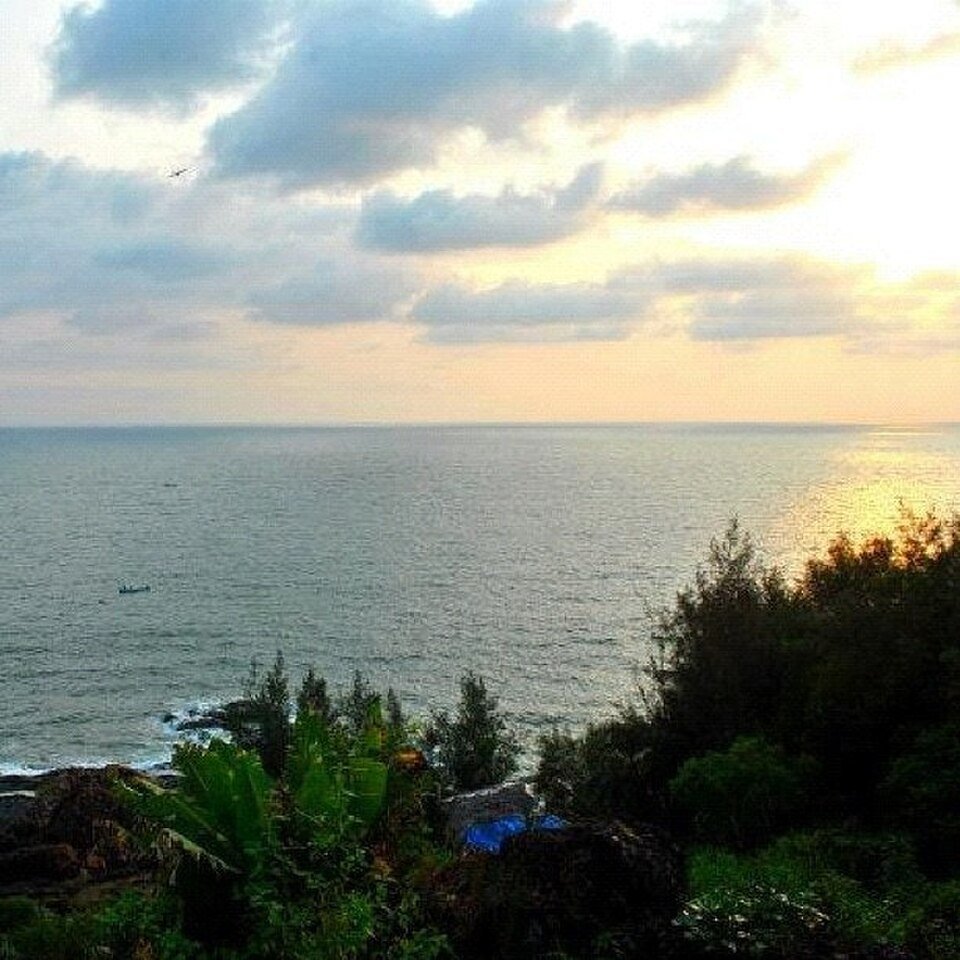
Best Time to Visit Karjat for Nature Lovers
Karjat in Monsoon
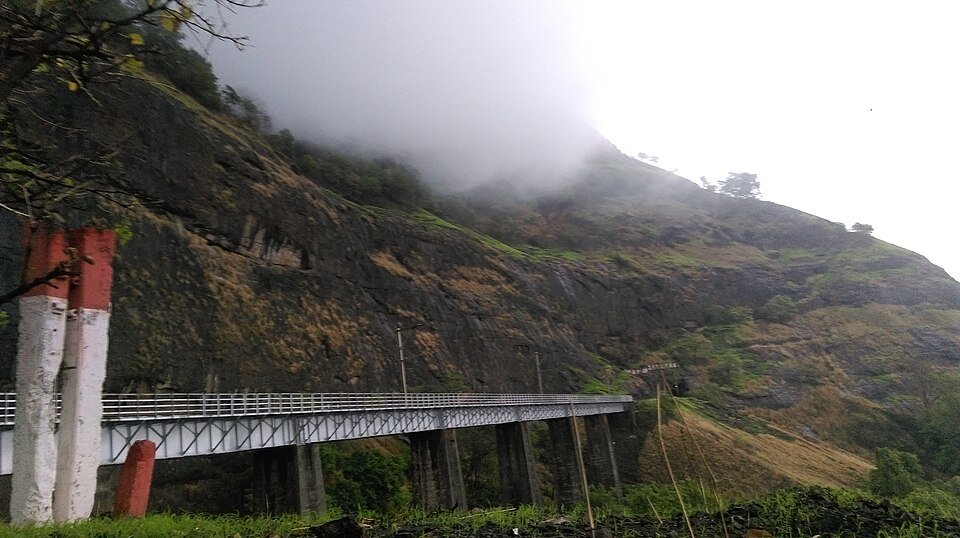
Karjat in monsoon takes on a completely different character. Seasonal rain brings fresh greenery across the hills, fields and countryside. Streams become more active, while seasonal waterfalls appear along rocky slopes and elevated areas. Mist can settle over the surrounding hills, creating atmospheric views that appeal to photographers and nature enthusiasts.
The air is cooler and more humid, with the smell of wet soil and vegetation adding to the experience. However, heavy rainfall can make trails slippery and muddy. Outdoor plans may also need to change depending on weather conditions. Anyone walking through uneven terrain, crossing streams or climbing stone steps should take extra care during periods of heavy rain.
Karjat in Winter
Winter offers a more comfortable setting for spending long hours outdoors. Temperatures are generally more pleasant, particularly during the morning and evening, while rainfall is much less of a concern. The drier conditions make this season suitable for travellers interested in trekking, countryside walks and exploring the surrounding hills.
The landscape is less intensely green than it is during the monsoon, but clearer conditions can make outdoor exploration easier. Travellers who prefer predictable weather and longer days outside may find winter a particularly convenient time to visit Karjat.
Karjat in Summer
Summer brings warmer and drier conditions to Karjat. The middle of the day can be uncomfortable for strenuous outdoor activities, especially during hotter periods. Early mornings and evenings are better suited to walks, relaxed outdoor experiences and exploring the countryside.
For travellers who prefer quieter surroundings and do not mind the heat, summer can offer a slower experience. Planning activities around the cooler parts of the day is important. Carrying enough water and protecting yourself from direct sunlight is also advisable during outdoor excursions.
Which Season Is Best for Different Nature Lovers?
The ideal season depends on the kind of experience you want. If lush greenery, seasonal waterfalls and misty hills are your priority, monsoon is the most visually dramatic time to visit. If you prefer trekking, countryside walks and more comfortable conditions, winter is generally a better choice.
Summer suits travellers who value quieter surroundings and are comfortable planning activities during cooler parts of the day. Each season presents Karjat differently, so the right choice ultimately depends on your preferred pace and outdoor interests.
Nature Experiences to Enjoy in Karjat
Waterfalls and Monsoon Landscapes
Monsoon brings noticeable changes to Karjat’s natural surroundings. Rainwater flows through rocky slopes and channels, while vegetation becomes denser and greener. Seasonal waterfalls and streams become part of the landscape, making this period particularly appealing to travellers who enjoy seeing nature at its most active.
These areas require caution, especially after heavy rainfall. Wet rocks can become slippery, and sudden changes in weather can affect outdoor plans. Proper footwear and checking local weather conditions before heading out can make the experience safer.
Trekking and Hill Exploration
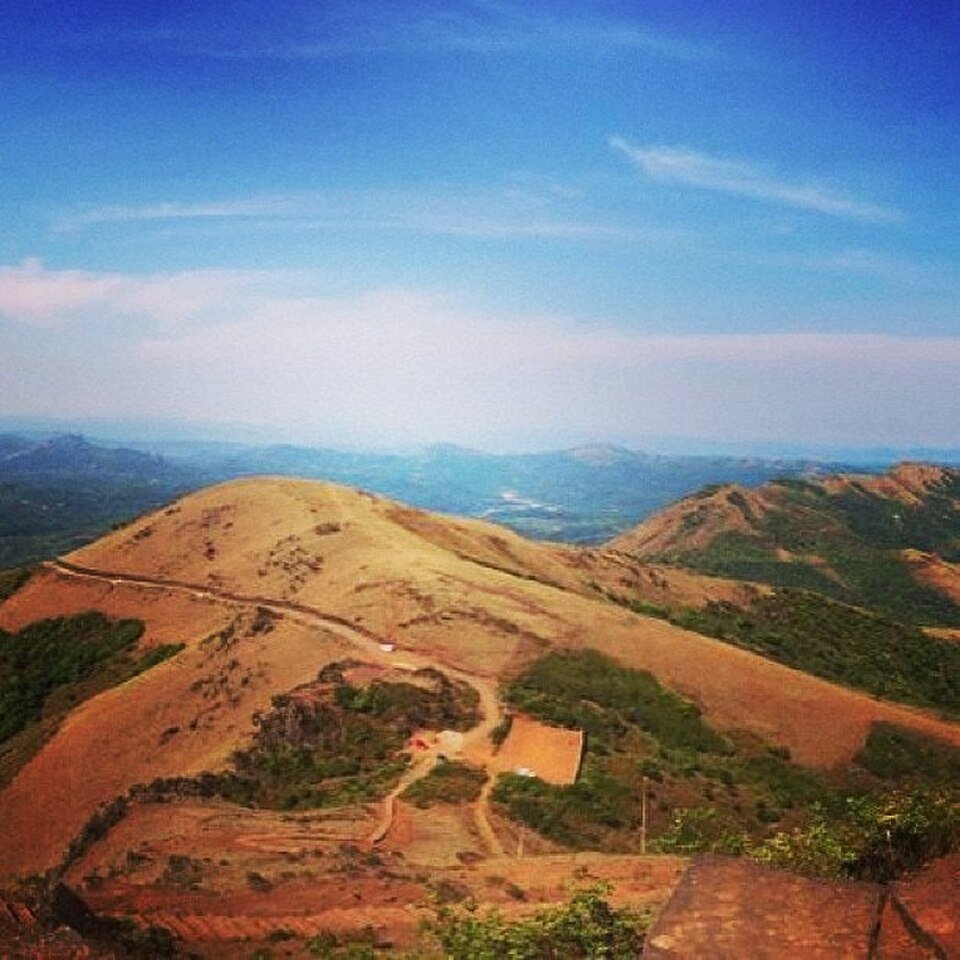
The hills around Karjat offer opportunities for trekking and outdoor exploration. The region is known for its rugged terrain, historic forts and elevated viewpoints. During the drier months, trails are generally easier to navigate than during periods of heavy monsoon rain.
Weather conditions can still change, particularly on higher or more exposed routes. Checking the forecast and carrying suitable footwear and water are important before setting out. Travellers should also choose trails according to their experience and fitness level.
Rivers, Green Fields and Countryside Views
Karjat’s appeal extends beyond its hills and trekking routes. Open fields, waterways and rural settlements create a quieter side of the region. Paddy fields become particularly green during the monsoon and growing season, adding colour to the surrounding countryside.
Walking through rural areas can offer a closer look at the region’s agricultural landscape and local environment. Nature lovers can enjoy the slower pace, observe local vegetation and take in views of the surrounding hills without relying on a packed sightseeing itinerary.
A Peaceful Villa Stay Surrounded by Nature
A nature-focused trip also benefits from having a comfortable place to return to at the end of the day. After a hike, countryside walk or monsoon outing, a private villa can provide space to relax away from the noise of busy city areas.
A Staymist villa can complement this kind of trip by giving travellers a comfortable base from which to enjoy Karjat’s surrounding landscapes. Instead of spending the entire day moving between attractions, guests can also slow down, enjoy the outdoor setting and make the stay itself part of the experience.
For nature lovers, there is no single season that works for everyone. Monsoon is the stronger choice for lush greenery, active streams and seasonal waterfalls, while winter is better suited to comfortable trekking and longer outdoor activities. Summer can work for travellers who prefer quieter surroundings and are willing to plan around the heat. Choosing the season that matches your interests can make your Karjat trip more enjoyable.

Author: Author

Discover carefully chosen beautiful escapes designed for comfort, peace and a personal touch.
© Copyright 2026 Staymist. All rights reserved